
 +91 93452 87196
+91 97511 51192
+91 93452 87196
+91 97511 51192
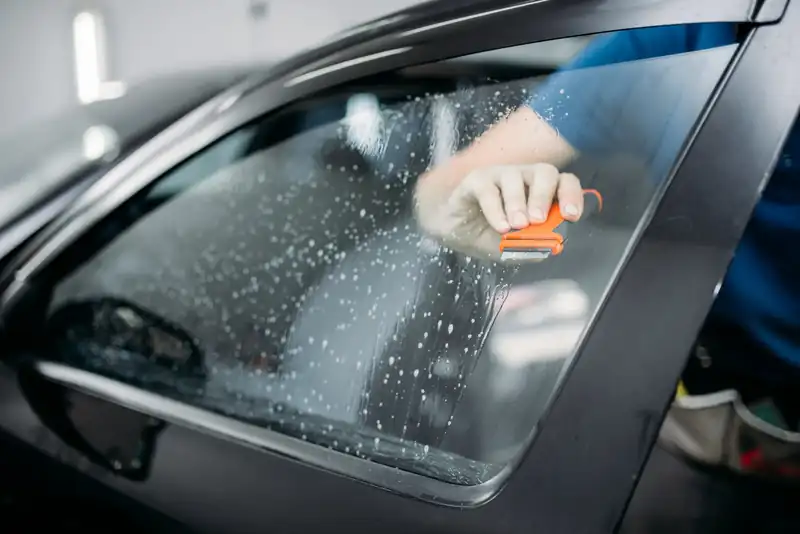
Chennai's sun is not gentle. From March through October, interior cabin temperatures in a parked car can exceed 60 degrees Celsius. Your dashboard cracks, your upholstery fades, and every drive starts with five minutes of burning seats and blasting AC before the car becomes liveable.
A quality sunfilm changes this. The right window film rejects solar heat before it enters the cabin, blocks UV radiation that damages interiors, and reduces glare while keeping visibility clear. At DC, we install window films from internationally recognised brands — applied clean, bubble-free, and cut precisely to your car's glass profile.
DC works with premium window film brands that have a proven track record in Indian conditions — high heat, monsoon humidity, and year-round UV exposure. Brands available include:
Each brand offers different grades — standard dyed films, carbon films, and ceramic films. DC will recommend the right grade based on your car, your usage, and how much heat rejection you need. Ceramic films cost more but reject significantly more heat while maintaining better visibility, especially at night.
Sunfilm installation quality varies enormously between installers. Poorly installed film bubbles, peels at the edges, and develops purple discolouration within a year. At DC, every installation follows a controlled process:
The full installation typically takes two to four hours depending on the number of windows and the car's glass profile. The film requires 48 to 72 hours to cure fully — during this period the windows should not be rolled down.
DC installs sunfilm on all car types — hatchbacks, sedans, SUVs, MUVs, and luxury vehicles. We work with the full glass profile including front windshield (where regulations permit), front side windows, rear side windows, and rear windshield.
For two-wheelers, we also install windshield protection films where applicable.
Chennai sits at 13 degrees north latitude with a tropical climate and one of the highest UV indices in India. Unlike cities that get temperature relief in winter, Chennai's solar load is consistent year-round. A car parked outdoors in Chennai without sunfilm accumulates more UV damage in three years than a car in a temperate climate does in seven. This is not a luxury purchase here — it is practical protection for a significant investment.
Many DC customers combine sunfilm with ceramic or graphene coating in the same visit. Sunfilm handles interior heat and UV protection; coating handles exterior paint protection and maintenance. Together, they give your new car complete protection — inside and out — from day one. Learn more about ceramic coating at DC. Learn more about graphene coating at DC.
Is sunfilm legal on front windows and the windshield in Tamil Nadu?
Motor Vehicles Act rules permit tinted film on rear side windows and the rear windshield. For front side windows and the front windshield, regulations restrict visible light transmission — DC will advise on legally compliant VLT (Visible Light Transmission) percentages for each window position before installation. We do not install non-compliant tints.
What is the difference between dyed, carbon, and ceramic sunfilm?
Dyed films are the entry grade — they provide privacy and some heat reduction but fade over time and offer limited heat rejection. Carbon films are mid-tier — better heat rejection, no fading, good durability. Ceramic films are the premium grade — highest heat rejection (up to 70%), excellent optical clarity especially at night, longest lifespan. DC stocks all three grades across LLumar, 3M, Garware, and Madico.
How long does sunfilm last?
Quality ceramic and carbon films from LLumar, 3M, and Madico typically last 5–10 years with no significant degradation. Dyed films have a shorter lifespan of 3–5 years before colour shift and reduced performance become noticeable. DC will indicate the expected lifespan for each grade at the time of recommendation.
Can sunfilm be removed or replaced?
Yes — sunfilm can be removed cleanly from glass without damage. If you want to upgrade the grade or replace a film that has reached the end of its life, DC handles removal and re-installation. Bring the car in for an assessment.
Does sunfilm affect visibility at night?
Lower-grade darker films can reduce night visibility from the driver's perspective. Ceramic films are specifically designed to maintain high visible light transmission while still rejecting heat — making them the preferred choice for owners who want maximum heat rejection without compromising night driving visibility. DC will demonstrate the difference between grades before you decide.
DC's sunfilm installation covers all windows — front and rear windshields plus side windows.
Price: Rs. 13,000 to Rs. 40,000 depending on the vehicle size and the film grade selected (dyed, carbon, or ceramic). Ceramic films cost more but deliver significantly higher heat rejection and last longer.
Call DC for a specific quote based on your car and preferred film grade.
DC's studio in Maduravoyal handles sunfilm installations throughout the week. Bring your car in for a consultation — we will assess your glass, recommend the right film and grade for your needs, and give you a clear quote before any work begins.
Call +91 97511 51192 or +91 93452 87196 to book your slot.
DC is located at No.15 & 16, MCK Nagar, Adayalampattu, 200ft Bypass Service Road, Near MGR Educational & Research Institute, Maduravoyal, Chennai 600095 — close to the Poonamallee highway corridor and easily accessible from Mogappair, Ambattur, Avadi, Porur, and Valasaravakkam.


No.15 & 16 MCK Nagar,Adayalampattu 200ft Bypass Service Road
Near M.G.R Educational & Reasearch Institute, Maduravoyal,
Chennai, TamilNadu 600095
+91 93452 87196
Click to call us !!info@thedetailingcompany.in
