
 +91 93452 87196
+91 97511 51192
+91 93452 87196
+91 97511 51192
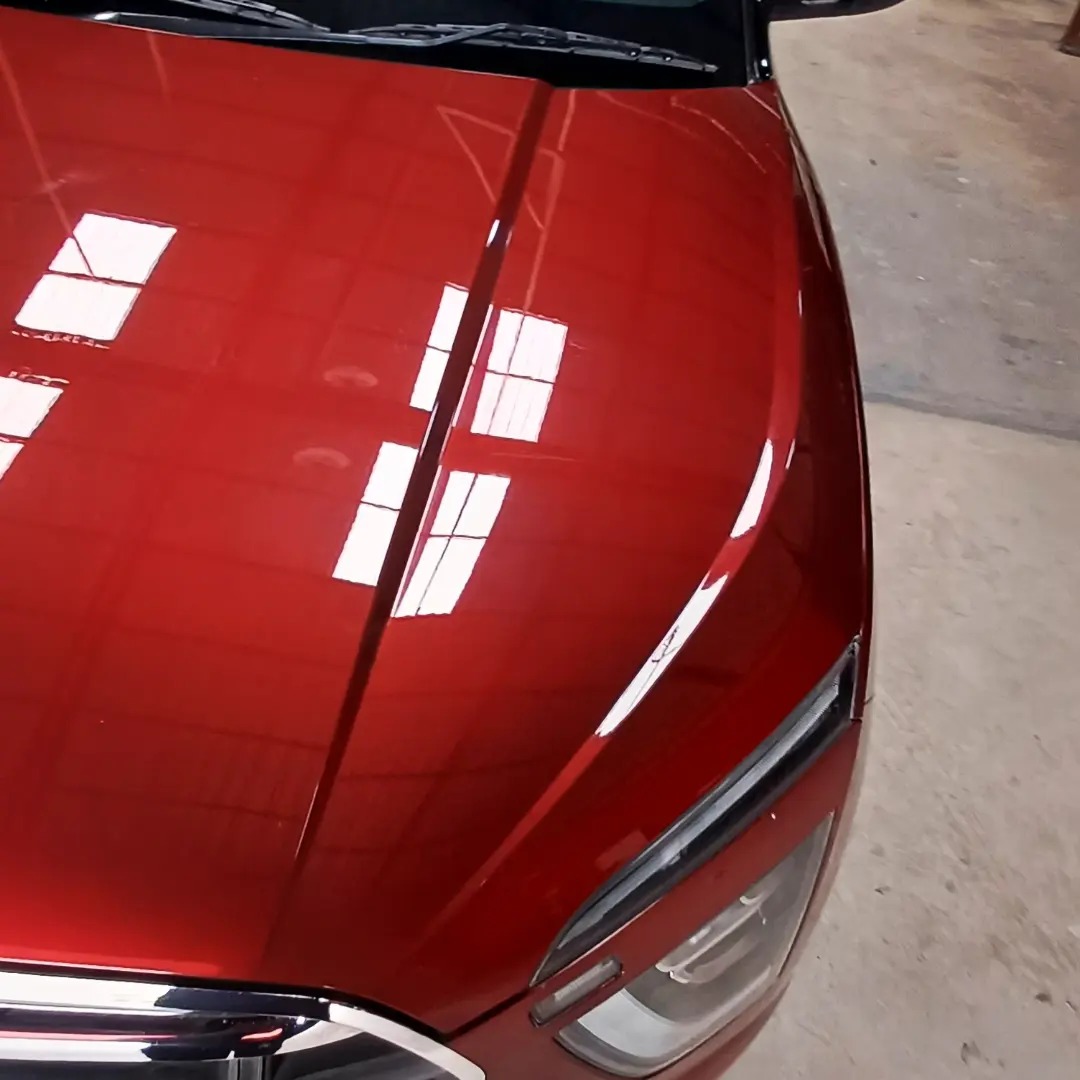
Paint Protection Film (PPF) is one of the best ways to protect your car's paint from physical damage — but it's not perfect. Before investing in PPF, you should understand its limitations alongside its benefits. Here's an honest look at the disadvantages of PPF, so you can make an informed decision.
PPF is the most expensive paint protection option. A front-end package (bonnet, bumper, fenders) starts from Rs.25,000+, and full body PPF can cost Rs.80,000–Rs.1,50,000+ depending on the brand and vehicle size. Compared to ceramic coating (Rs.15,000–Rs.40,000 for full car), the upfront investment is significantly higher.
However: PPF protects against physical damage (stone chips, scratches) that ceramic coating cannot. If you drive on highways frequently, the cost of PPF is often less than the cumulative panel repainting costs you'd face without it.
Premium PPF is nearly invisible from a normal viewing distance. But up close, you may notice:
This is only noticeable if you're specifically looking for it. Most people — including car enthusiasts — cannot tell a car has PPF from a few feet away.
Lower-quality PPF films can yellow within 1–2 years, especially on white and light-coloured cars. This is caused by UV degradation of the polyurethane material. In Chennai's intense sun, this happens faster than in cooler climates.
Solution: Premium brands (LLumar, XPEL, Madico) use UV-stabilised top coats that resist yellowing for the full warranty period (5–10 years). Always choose a film with an anti-yellowing warranty.
If the paint isn't properly decontaminated before installation, or if the installation environment isn't dust-controlled, contaminants can be trapped between the film and the paint. These show as small bumps or specks under the film that cannot be removed without re-doing that section.
Solution: Always use a professional installer with a controlled, dust-free workspace. At DC, every car is thoroughly washed and decontaminated before PPF application.
Self-healing PPF can repair minor surface scratches using heat (from sunlight or warm water). But it cannot heal:
Deep damage to the film means that section needs to be replaced — which adds to the lifetime cost.
PPF doesn't last forever. Depending on the brand and conditions, it needs replacing every 5–10 years. Removal is clean (the paint underneath is typically in perfect condition), but you'll need to pay for new film and installation again. Over 10–15 years of ownership, you may go through 1–2 replacement cycles.
PPF protects against physical damage but does not provide:
For complete protection, many car owners apply ceramic coating over the PPF — this adds hydrophobic and chemical protection to the film surface.
Professional PPF installation takes 1–2 days for a front-end package and 3–5 days for full body. The film also needs a 7-day curing period before you can pressure wash or apply chemicals. This means your car is out of use for a few days.
Despite the disadvantages, PPF remains the best option for physical paint protection:
| Protection Type | Physical Damage | UV/Chemical | Hydrophobic | Cost | Durability |
|---|---|---|---|---|---|
| PPF only | Excellent | Basic | No | Higher | 5–10 years |
| Ceramic coating only | None | Excellent | Yes | Lower | 5–7 years |
| PPF + Ceramic coating | Excellent | Excellent | Yes | Highest | 5–10 years |
For highway-heavy driving, premium/luxury cars, or anyone who wants to maintain factory-perfect paint — yes. The protection against stone chips and physical damage is unmatched by any other product. For city-only driving with careful parking, ceramic coating alone may be sufficient.
No. Quality PPF from reputable brands is designed for clean removal. The adhesive does not damage or discolour the paint. In fact, the paint under removed PPF is typically in better condition than when the film was first applied (since it's been protected from all environmental exposure).
Yes. If the paint has existing chips or scratches, those should be repaired first (the film conforms to whatever is underneath). DC inspects and prepares the paint before PPF installation on used vehicles.
Wash with pH-neutral shampoo just like you would a ceramic-coated car. Avoid harsh chemicals, solvents, and automated brush car washes. For maximum longevity, apply a ceramic coating over the PPF.
DC installs multiple premium PPF brands in a controlled studio environment with computer-cut patterns. We'll help you choose the right film and coverage for your car, driving style, and budget.
Call +91 97511 51192 or +91 93452 87196 to discuss your options.
Visit us at Maduravoyal — just off the Poonamallee highway corridor.
The Detailing Company (DC) — No.15 & 16, MCK Nagar, Adayalampattu, 200ft Bypass Service Road, Near MGR Educational & Research Institute, Maduravoyal, Chennai 600095.






No.15 & 16 MCK Nagar,Adayalampattu 200ft Bypass Service Road
Near M.G.R Educational & Reasearch Institute, Maduravoyal,
Chennai, TamilNadu 600095
+91 93452 87196
Click to call us !!info@thedetailingcompany.in
